Last updated: 2026-10-02 · Sino East Steel Technical Team
Cold drawn seamless steel pipe (CDS pipe) is the premier engineering material for high-precision mechanical, hydraulic, automotive, and industrial fluid systems across Southeast Asia. In engineering projects throughout Indonesia—from hydraulic cylinder fabrication in Surabaya and heavy machinery maintenance in Kalimantan to precision automotive manufacturing in Cikarang and Karawang—engineers and procurement directors frequently face a critical choice: whether to specify conventional hot-rolled seamless pipe or precision cold drawn seamless pipe. When dimensional accuracy, mirror-smooth internal surface finish, and ultra-tight wall thickness tolerances determine the success of a mechanical assembly, cold drawn seamless pipe is the undisputed standard.
This comprehensive 2026 B2B sourcing guide is designed for Southeast Asian structural engineers, mechanical contractors, and industrial importers. We explore the complete cold drawing manufacturing process, compare cold drawn vs. hot-rolled seamless tubing across 13 engineering parameters, analyze international standards (ASTM A106, ASTM A519, DIN 2391, EN 10305-1), and detail direct factory sourcing workflows from China to major Indonesian ports including Tanjung Priok (Jakarta), Tanjung Perak (Surabaya), and Belawan (Medan).
Table of Contents (Jump to Section)
- 1. What is Cold Drawn Seamless Steel Pipe? Manufacturing Process & Metallurgy
- 2. Technical Comparison: Cold Drawn vs. Hot Rolled Seamless Pipe (13 Parameters)
- 3. International Standards & Steel Grades (ASTM, DIN, EN, JIS, GB/T)
- 4. Heat Treatment & Delivery Conditions (BK, BKW, BKS, GBK, NBK)
- 5. Size Matrix & Dimensional Tolerance Specifications (OD 6mm – 219mm)
- 6. Quality Assurance, Non-Destructive Testing (NDT) & EN 10204 3.1 MTC
- 7. Procurement Strategy: Direct China Mill vs. Local Stockist
- 8. Sea Freight, Port Logistics & Form E Zero-Tariff Customs Clearance
- 9. Frequently Asked Questions (FAQ)
- 10. Request Factory Direct Quotation & Engineering Support
1. What is Cold Drawn Seamless Steel Pipe? Manufacturing Process & Metallurgy
A cold drawn seamless steel pipe is produced by taking a hot-rolled seamless mother tube (hollow billet) through specialized pickling, phosphating, saponification, and multi-pass cold drawing dies at ambient temperature without heating the metal above its recrystallization point. This severe plastic deformation forces the steel through tungsten carbide internal plugs and external dies, drastically refining grain structure, increasing tensile and yield strengths via work hardening, and achieving dimensional tolerances impossible with hot rolling alone.
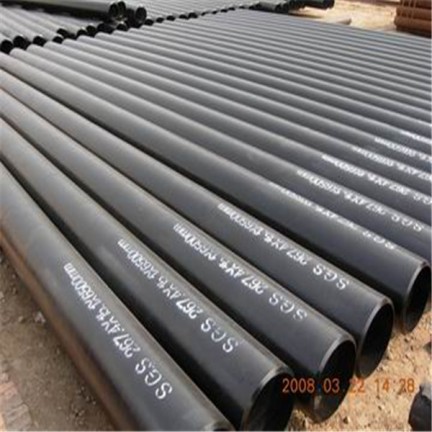
Figure 1: Precision cold drawn seamless steel pipes undergoing final dimensional and ultrasonic inspection at Sino East Steel factory before export packing.
Step-by-Step Cold Drawing Manufacturing Flow
- Mother Tube Inspection & Preparation: High-grade hot-rolled seamless hollow bars (tested according to ASTM A106 Grade B or ASTM A519) are inspected for surface seams, inclusions, and wall concentricity.
- Chemical Pickling & Surface Treatment: The tubes are submerged in heated sulfuric or hydrochloric acid baths to eliminate all mill scale, followed by high-pressure water rinsing.
- Phosphating & Saponification Lubrication: A dense zinc phosphate conversion coating is chemically bonded to the steel surface, followed by reactive soap bath lubrication. This coating prevents metal-to-metal galling under extreme drawing friction forces exceeding 150 metric tons.
- Multi-Pass Cold Drawing: The tube is pulled through tungsten-carbide conical dies while an internal mandrel (floating plug, fixed plug, or traveling bar) controls internal diameter (ID) and wall thickness simultaneously.
- Intermediate / Final Heat Treatment: Dependent on final specification, pipes undergo controlled-atmosphere subcritical annealing or full normalizing in bright annealing roller hearth furnaces.
- Precision Rotary Straightening: Multi-roll straightening machines achieve straightness tolerances within 0.5 mm to 1.0 mm per meter.
- Non-Destructive Testing & End Finishing: 100% Eddy current and ultrasonic flaw detection, plain end square cutting, deburring, and protective rust-preventative oiling.
For more background on standard seamless tube manufacturing lines, explore our seamless steel pipe manufacturer overview and our technical breakdown of galvanized steel pipe vs seamless pipe.
2. Technical Comparison: Cold Drawn vs. Hot Rolled Seamless Pipe (13 Parameters)
Choosing between cold drawn seamless (CDS) and hot-rolled seamless (HRS) tubing involves balancing precision, mechanical strength, surface roughness, and cost. While hot-rolled pipe serves broad structural and fluid conveyance needs where nominal dimensions suffice, cold drawn precision tubing is mandatory when the tube forms a dynamic seal, sliding mechanical fit, or hydraulic pressure chamber.
| Technical Parameter | Cold Drawn Seamless Pipe (CDS) | Hot Rolled Seamless Pipe (HRS) |
|---|---|---|
| Outer Diameter (OD) Tolerance | ±0.05 mm to ±0.20 mm (ISO h8 / h9) | ±0.75% to ±1.0% (typically ±0.5 mm to ±2.0 mm) |
| Wall Thickness (WT) Tolerance | ±5% to ±7.5% (Extremely uniform concentricity) | -12.5% to +15.0% (Subject to eccentric variation) |
| Surface Roughness (Ra) | Ra 0.4 µm to 1.6 µm (Mirror / Smooth satin) | Ra 6.3 µm to 12.5 µm (Rough oxide scale surface) |
| Minimum Wall Thickness | Ultra-thin down to 0.5 mm achievable | Generally restricted to ≥ 2.5 mm – 3.0 mm |
| Smallest Outer Diameter | Precision micro-tubing down to OD 6.0 mm | Typically restricted to OD ≥ 32.0 mm |
| Yield & Tensile Strength | 20% – 40% higher in cold-finished states (BK/BKW) | Standard normalized / as-rolled base strength |
| Grain Microstructure | Elongated dense grain; ultra-fine ferrite-pearlite post-NBK | Equiaxed coarser grain structure |
| Machinability & Honing | Minimal machining allowance needed; ready for skiving/honing | Requires heavy boring, turning, and facing allowance |
| Straightness Tolerance | ≤ 0.5 mm / meter (Precision grade) | ≤ 1.5 mm – 2.0 mm / meter |
| Heat Treatment Flexibility | Available in 5 standard states: BK, BKW, BKS, GBK, NBK | As-rolled or normalized |
| Appearance & Cleanliness | Bright, silvery, scale-free, phosphate/oil protected | Black/brown oxidized scale, rough surface pits |
| Cost per Metric Ton | 15% – 30% premium due to multi-pass drawing and pickling | Standard baseline mill cost |
| Primary Applications | Hydraulic cylinders, automotive shafts, boilers, shock absorbers | General fluid transport, structural piling, low-pressure piping |
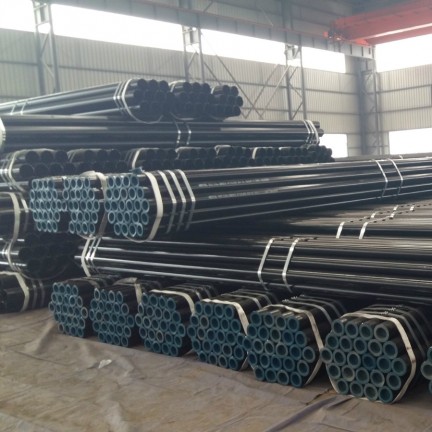
Figure 2: Digital micrometer and ultrasonic gauge measurement verifying OD and WT concentricity across high-pressure seamless tubing.
3. International Standards & Steel Grades (ASTM, DIN, EN, JIS, GB/T)
Procuring cold drawn seamless steel pipes for export from China requires precise alignment with project engineering drawings and Indonesian statutory norms (such as SNI and MIGAS pipeline compliance). Sino East Steel supplies cold drawn seamless pipes engineered to all major global design codes:
Key Manufacturing Standards Comparison
- ASTM A519: Standard Specification for Seamless Carbon and Alloy Steel Mechanical Tubing. Common grades include AISI 1010, 1020, 1026, 1045, and 4140 alloy steel for heavy machining and drilling tools.
- ASTM A106 / ASME SA106: Seamless Carbon Steel Pipe for High-Temperature Service. Cold-finished Grade B tubes provide enhanced dimensional stability for refinery process lines and high-pressure steam headers. (See our comparison: ASTM A53 vs API 5L line pipe).
- DIN 2391-1 / EN 10305-1: Steel tubes for precision applications — Part 1: Seamless cold drawn tubes. Common grades: St35, St45, St52, E215, E235, E355. Highly favored by European automotive transplants and Indonesian heavy equipment fabricators.
- DIN 2391-2 / EN 10305-4: Seamless cold drawn tubes for hydraulic and pneumatic power systems. Delivered with high cleanliness and anti-corrosive passivated surfaces.
- JIS G3445: Carbon steel tubes for machine structural purposes (STKM 11A, 12A, 13A, 13C), widespread across Japanese automotive joint-ventures operating in Indonesia.
- GB/T 3639: Seamless cold-drawn or cold-rolled precision steel tubes (10#, 20#, 35#, 45#, Q345B/Q355B).
| Standard | Steel Grade | C (%) Max | Mn (%) | Tensile Strength (MPa) | Yield Strength (MPa) Min | Elongation (%) Min |
|---|---|---|---|---|---|---|
| ASTM A106 | Grade B (Cold Finished) | 0.30 | 0.29 – 1.06 | ≥ 415 | ≥ 240 | ≥ 30 |
| ASTM A519 | AISI 1020 / 1026 | 0.18 – 0.28 | 0.30 – 0.90 | ≥ 490 (CW) | ≥ 415 (CW) | ≥ 10 (CW) / ≥ 25 (A) |
| EN 10305-1 | E235 (St35) +N | 0.17 | ≤ 1.20 | 340 – 480 | ≥ 235 | ≥ 25 |
| EN 10305-1 | E355 (St52) +N | 0.22 | ≤ 1.60 | 490 – 630 | ≥ 355 | ≥ 22 |
| JIS G3445 | STKM 13A / 13C | 0.25 | 0.30 – 0.90 | ≥ 370 – 510 | ≥ 215 – 380 | ≥ 15 – 30 |
4. Heat Treatment & Delivery Conditions (BK, BKW, BKS, GBK, NBK)
One of the most frequent procurement mistakes in international steel pipe trading is specifying the correct steel grade (e.g., E355 or 1020) but omitting the delivery heat treatment condition code. In EN 10305 and DIN 2391 standards, the letter code defines whether the tube is cold-work hardened, stress-relieved, or fully normalized in a protective atmosphere:
- +C (BK — Cold Finished / Hard): No heat treatment after the final cold drawing pass. Maximum yield and tensile strength, minimal elongation. Ideal for static bushings and parts requiring no further bending or flaring.
- +LC (BKW — Cold Finished / Soft): Light cold sizing pass following intermediate heat treatment. Allows moderate bending and cold shaping while retaining tight surface tolerances.
- +SR (BKS — Stress Relieved): Subjected to subcritical stress relief annealing (approx. 550°C – 650°C) after final drawing. Eliminates internal residual drawing stresses; ideal for hydraulic cylinder barrels that will undergo subsequent internal honing or skiving without distortion.
- +A (GBK — Annealed): Annealed in controlled atmosphere below transformation point. High ductility, easy flaring, flattening, and cold forming.
- +N (NBK — Normalized): Fully austenitized and normalized in a nitrogen/hydrogen protective atmosphere above the upper transformation point (Ac3). Yields scale-free, bright metallic surfaces with an ultra-fine, isotropic grain structure. Mandatory for high-pressure fuel injection lines, hydraulic fluid circuits, and safety-critical automotive tubular components.
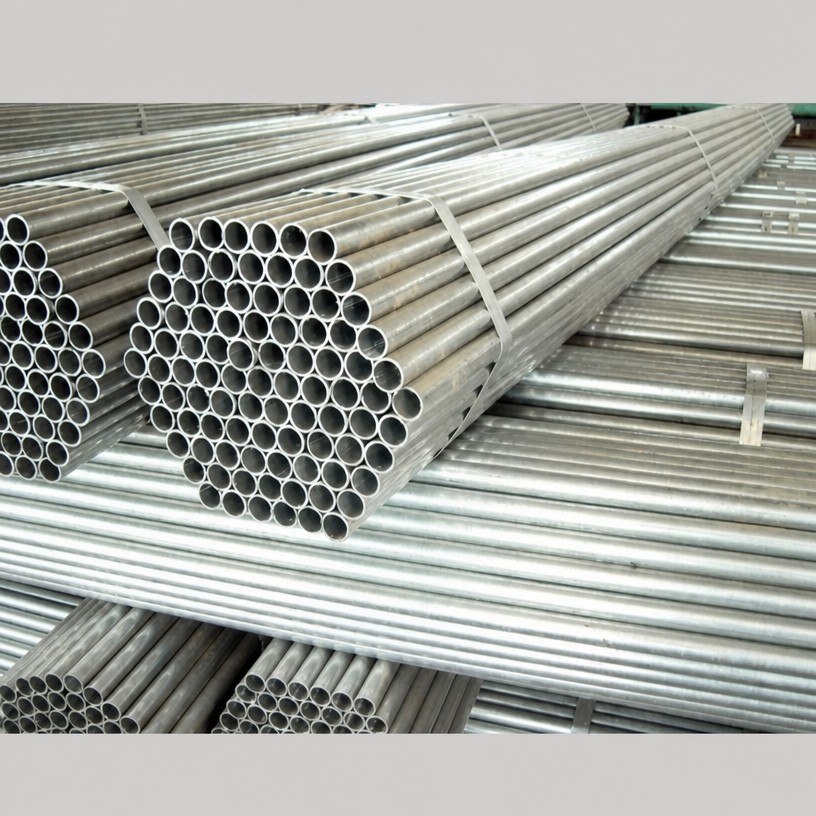
Figure 3: Export-grade hexagonal steel pipe bundles wrapped with waterproof plastic sheeting and heavy-duty steel strapping.
5. Size Matrix & Dimensional Tolerance Specifications (OD 6mm – 219mm)
Sino East Steel operates multiple high-tonnage hydraulic drawbenches and continuous cold roll-forming lines capable of producing cold drawn seamless steel pipes in the following comprehensive size range:
| Dimension Category | Available Range | Standard Tolerance Grade | Special Precision Grade (Custom) |
|---|---|---|---|
| Outer Diameter (OD) | 6.0 mm – 219.1 mm | ±0.08 mm to ±0.25 mm | ±0.04 mm to ±0.10 mm (ISO h8 / f7) |
| Wall Thickness (WT) | 0.50 mm – 25.4 mm | ±7.5% of nominal WT | ±5.0% of nominal WT |
| Length (L) | 3,000 mm – 12,000 mm (Container optimized: 5.8m / 11.8m) | -0 / +50 mm | Exact cut: ±1.0 mm |
| Inside Diameter (ID) Honing | 25.0 mm – 200.0 mm (Honed Tube Series) | ISO H8 / H9 tolerance | ISO H7, Ra ≤ 0.2 µm |
| Straightness | All diameter ranges | ≤ 1.0 mm / 1,000 mm | ≤ 0.5 mm / 1,000 mm |
6. Quality Assurance, Non-Destructive Testing (NDT) & EN 10204 3.1 MTC
Every single batch of cold drawn seamless pipes leaving our factory undergoes comprehensive inspection protocols to guarantee zero-defect field installation:
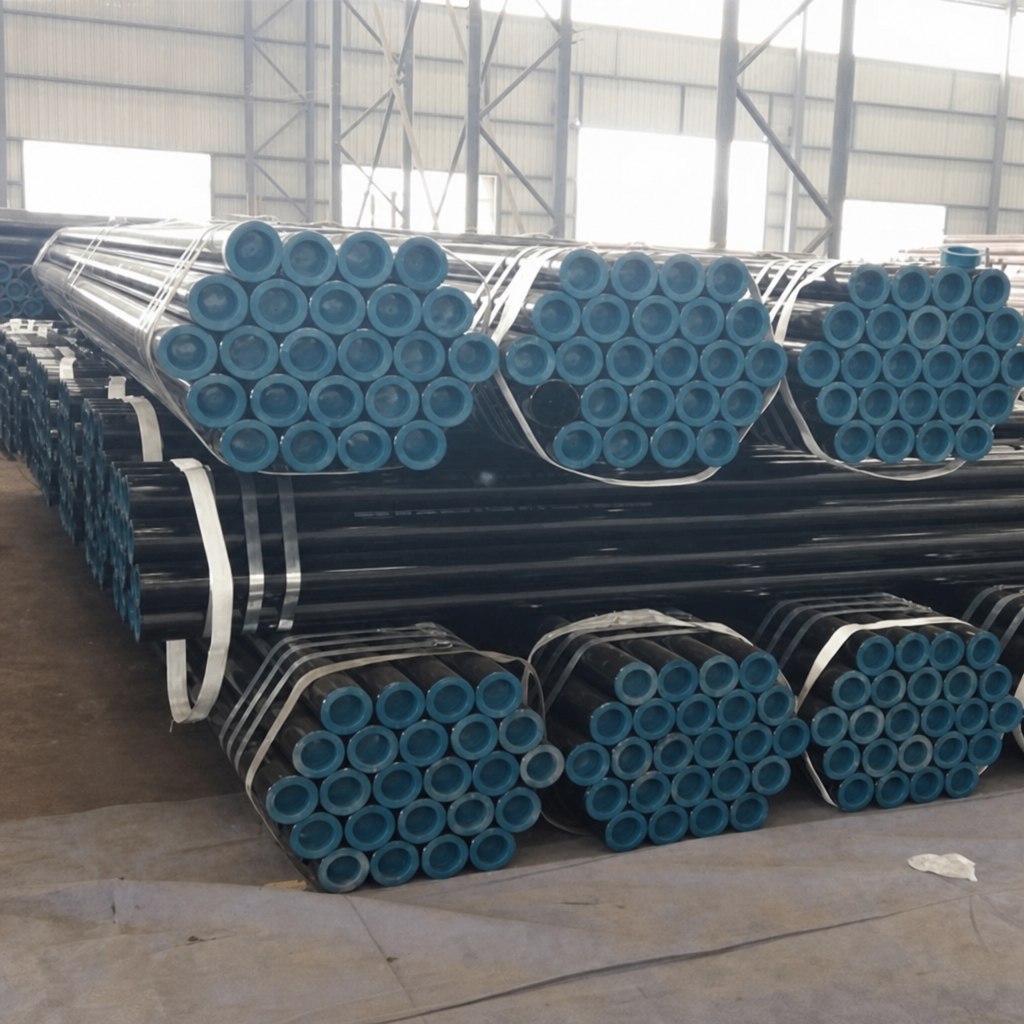
Figure 4: Automated hydrostatic pressure testing station certifying burst pressure resistance up to 50 MPa.
Mandatory Inspection Routine
- 100% Non-Destructive Testing (NDT): Automated in-line Eddy Current testing according to EN ISO 10893-1 / ASTM E309 and full Ultrasonic testing (UT) per EN ISO 10893-8 for subsurface laminar defects and longitudinal cracks.
- Hydrostatic Testing: High-pressure water test held for minimum 5 seconds at pressures calculated per Barlow’s formula ($P = 2St/D$), up to 500 bar (50 MPa).
- Mechanical Destructive Verification: Tensile strength, yield point, elongation, flattening test (ASTM A530), flaring test (EN 10233), and Rockwell/Brinell hardness mapping.
- Surface Roughness Profilometry: Laser profilometer calibration ensuring Ra values conform strictly to PO specifications.
- Mill Test Certificate (MTC): Formally issued according to EN 10204 Type 3.1 detailing heat number, chemical composition, mechanical test results, NDT inspection logs, and heat treatment curves. Type 3.2 third-party inspection (SGS, TÜV, Bureau Veritas) is readily supported.
7. Procurement Strategy: Direct China Mill vs. Local Stockist
Indonesian industrial buyers often weigh purchasing from local steel warehouses along Jalan Raya Narogong (Bekasi) or Margomulyo (Surabaya) against direct container procurement from China mills. Here is the operational comparison:
| Procurement Factor | Direct China Mill (Sino East Steel) | Local Indonesian Stockist / Trader |
|---|---|---|
| Unit Price per Metric Ton | Factory Direct Cost (Save 18% – 32%) | Includes importer margin, local warehousing & finance markup |
| Custom Non-Standard Sizes | 100% custom drawing dies (any OD/WT combination) | Limited strictly to standard warehouse stock dimensions |
| Length Optimization | Exact fixed lengths (5.8m, 6.0m, 11.8m) to eliminate scrap waste | Random standard 6m lengths; buyer absorbs end scrap |
| Traceability & MTC | Direct heat-number matched EN 10204 3.1 original certificate | Photocopied certificates, risk of mixed heat inventory |
| Minimum Order Quantity (MOQ) | Flexible FCL (approx. 20-25 MT) or multi-size consolidated container | Single bundle or piece sales |
| Lead Time | 20-25 days production + 12-16 days sea freight (approx. 5-6 weeks total) | Immediate ex-stock pickup |
8. Sea Freight, Port Logistics & Form E Zero-Tariff Customs Clearance
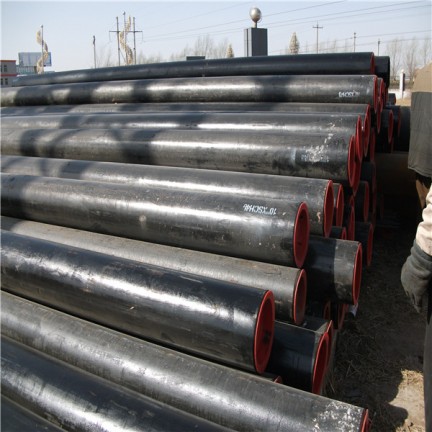
Figure 5: Container stuffing and heavy crane loading at Tianjin Port for direct transit to Indonesian destination seaports.
Exporting cold drawn precision seamless steel pipes from China to Indonesia operates under established maritime freight corridors:
Key Shipping Routes & Transit Durations
- Tianjin Port / Qingdao Port → Tanjung Priok (Jakarta): 12 to 15 days direct sailing. Ideal for automotive hubs in West Java (Bekasi, Karawang, Cikarang).
- Tianjin Port / Shanghai Port → Tanjung Perak (Surabaya): 14 to 18 days direct sailing. Direct access for East Java mechanical and boiler fabrication works.
- Tianjin Port → Belawan (Medan) & Makassar (Sulawesi): 16 to 22 days for palm oil processing plants and mining infrastructure projects.
HS Codes & Form E Tariff Exemption
Under the ASEAN-China Free Trade Area (ACFTA), Indonesian importers can utilize the Form E Certificate of Origin issued by China Customs. When properly filed with the Indonesian Directorate General of Customs and Excise (Bea Cukai), import duty is reduced from the standard 5%-15% MFN rate to 0% preferential duty.
- HS Code 7304.31: Tubes, pipes and hollow profiles, seamless, of iron or non-alloy steel — Cold-drawn or cold-rolled (cold-reduced).
- HS Code 7304.39: Other seamless carbon steel pipes and hollow sections.
- HS Code 7304.51: Seamless alloy steel precision tubes, cold-drawn (e.g., 4140, 20CrMo).
9. Frequently Asked Questions (FAQ)
Q1: What is the primary difference between cold drawn seamless (CDS) and hot rolled seamless (HRS) steel pipes?
Cold drawn seamless pipes undergo mechanical cold reduction through dies at room temperature, yielding mirror-smooth surface finishes (Ra 0.4 – 1.6 µm), precise dimensional tolerances (±0.05 mm), and higher yield strength. Hot rolled seamless pipes are formed at high temperatures (above 1,100°C), resulting in rougher mill-scale surfaces, looser dimensional tolerances (±1.0%), and heavier wall variations.
Q2: What heat treatment condition should I specify for hydraulic cylinder barrels?
For hydraulic cylinder barrels requiring subsequent honing or skiving, specify +SR (BKS — Stress Relieved) or +N (NBK — Normalized) condition. Stress relief prevents the tube from warping or undergoing out-of-round deformation when internal stresses are released during internal machining.
Q3: What outer diameter (OD) and wall thickness (WT) tolerances can Sino East Steel guarantee?
Standard precision production guarantees OD tolerances within ±0.08 mm to ±0.20 mm and WT tolerances within ±7.5%. On custom drawing lines, we achieve ultra-precision tolerances of ISO h8/h9 for OD (±0.04 mm) and ±5.0% for wall thickness.
Q4: Does Sino East Steel provide original Mill Test Certificates (MTC)?
Yes. Every shipment is delivered with an original EN 10204 Type 3.1 Mill Test Certificate stamped by our quality control laboratory, verifying heat number, 100% chemical composition, tensile/yield/elongation results, NDT eddy current / ultrasonic test logs, and hydrostatic pressure verification.
Q5: How does the Form E Certificate of Origin benefit Indonesian importers?
Under ACFTA rules, our trade team provides official Form E Certificates of Origin, enabling Indonesian buyers to claim 0% preferential import tariff on seamless cold drawn pipes under HS Code 7304.31, saving 5% to 15% compared to standard MFN customs duties.
Q6: What is the standard packaging to prevent ocean transit rust and surface scratching?
Pipes are treated with anti-rust vanishing oil, fitted with plastic end caps to protect bevels and threads, bundled into rigid hexagonal bundles tied with steel strapping, and wrapped in double-layer waterproof woven HDPE geotextile fabric with internal desiccants.
Q7: What is the Minimum Order Quantity (MOQ) for custom cold drawn sizes?
Our standard minimum order quantity is 5 to 10 metric tons per size, with full container consolidation (20-25 MT in a 20ft container) allowing 3 to 5 different sizes combined in one shipment.
Q8: How long does production and shipping take from China to Jakarta or Surabaya?
Standard manufacturing lead time is 20 to 25 business days. Sea freight transit from Tianjin or Qingdao Port is 12 to 15 days to Jakarta (Tanjung Priok) and 14 to 18 days to Surabaya (Tanjung Perak).
10. Request Factory Direct Quotation & Engineering Support
Source High-Precision Cold Drawn Seamless Steel Pipes Direct from Mill
Need precision mechanical tubing, hydraulic cylinder pipes, or boiler tubes tailored to strict tolerances? Sino East Steel delivers factory-certified cold drawn seamless steel pipes directly to Jakarta, Surabaya, Medan, and all Indonesian industrial regions with zero-tariff Form E documentation.
Sources & References
Standards and data referenced on this page: